
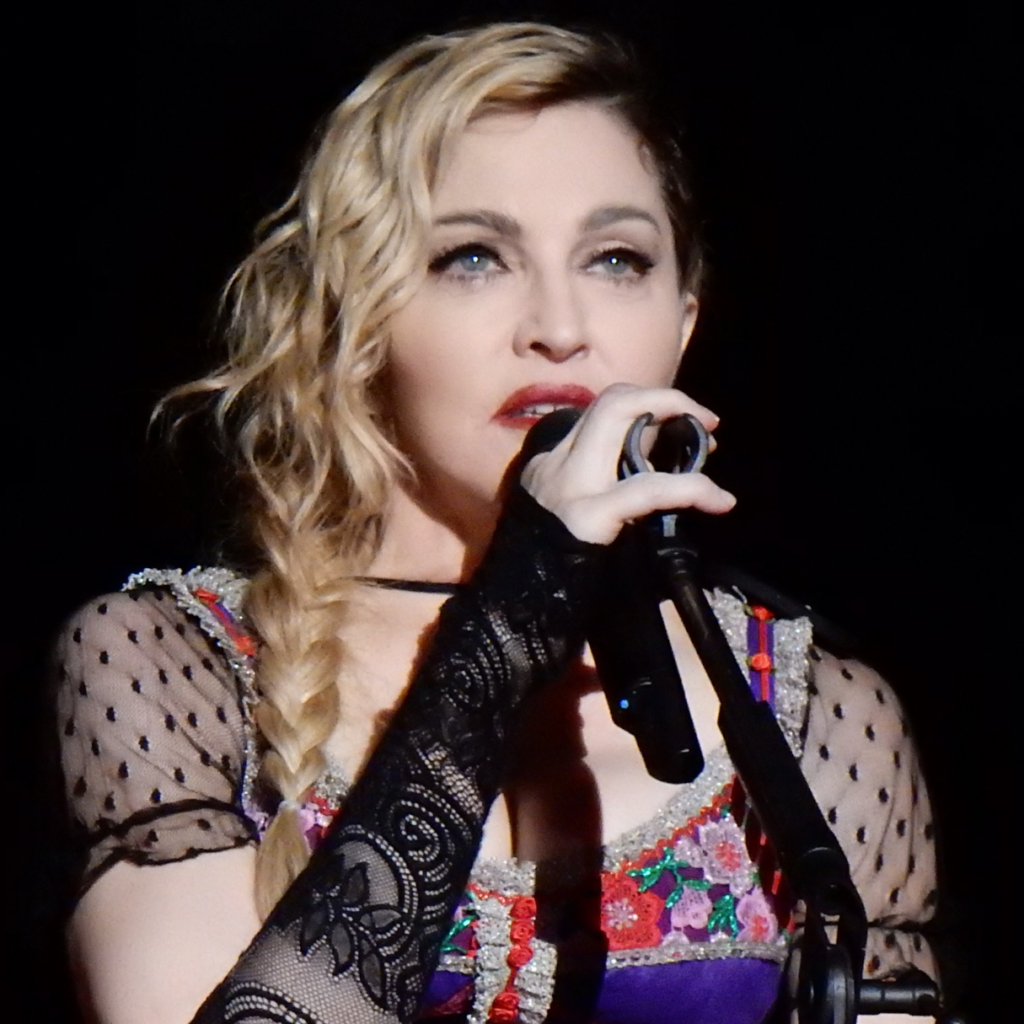

Madonna and Charli XCX released “Danceteria Afterhours” on Friday 25 September 2026, a reworked duet version of Madonna’s earlier single “Danceteria”. The song rebuilds the true story of the real 1980s New York nightclub where a DJ first got Madonna signed to a record label, now sung by two generations of pop’s most club-devoted women.
The original “Danceteria” appears on Madonna’s fifteenth studio album, Confessions II, a surprise sequel to her 2005 record Confessions on a Dance Floor, released back in July 2026. Produced with her longtime collaborator Stuart Price, alongside Andrew Watt and Cirkut, the track interpolates Lou Reed’s 1973 song Walk on the Wild Side and works as a kind of oral history of early 1980s downtown New York. According to background reported by Wikipedia (opens in new tab), Madonna turned up to the studio with three pages of handwritten memories after Price asked her about the club, and the finished lyric name-checks figures from that scene including Jean-Michel Basquiat and Keith Haring.
Danceteria itself was a real Manhattan nightclub, and it matters to Madonna’s story for a specific reason. In 1982, she brought a demo of her song “Everybody” to the club and persuaded DJ Mark Kamins to play it there. That night led directly to her first record deal, with Sire Records. Without Danceteria, there may have been no Madonna career at all, which is what makes a 2026 remix of a song about the club feel less like simple nostalgia and more like Madonna returning to the exact spot she started from.
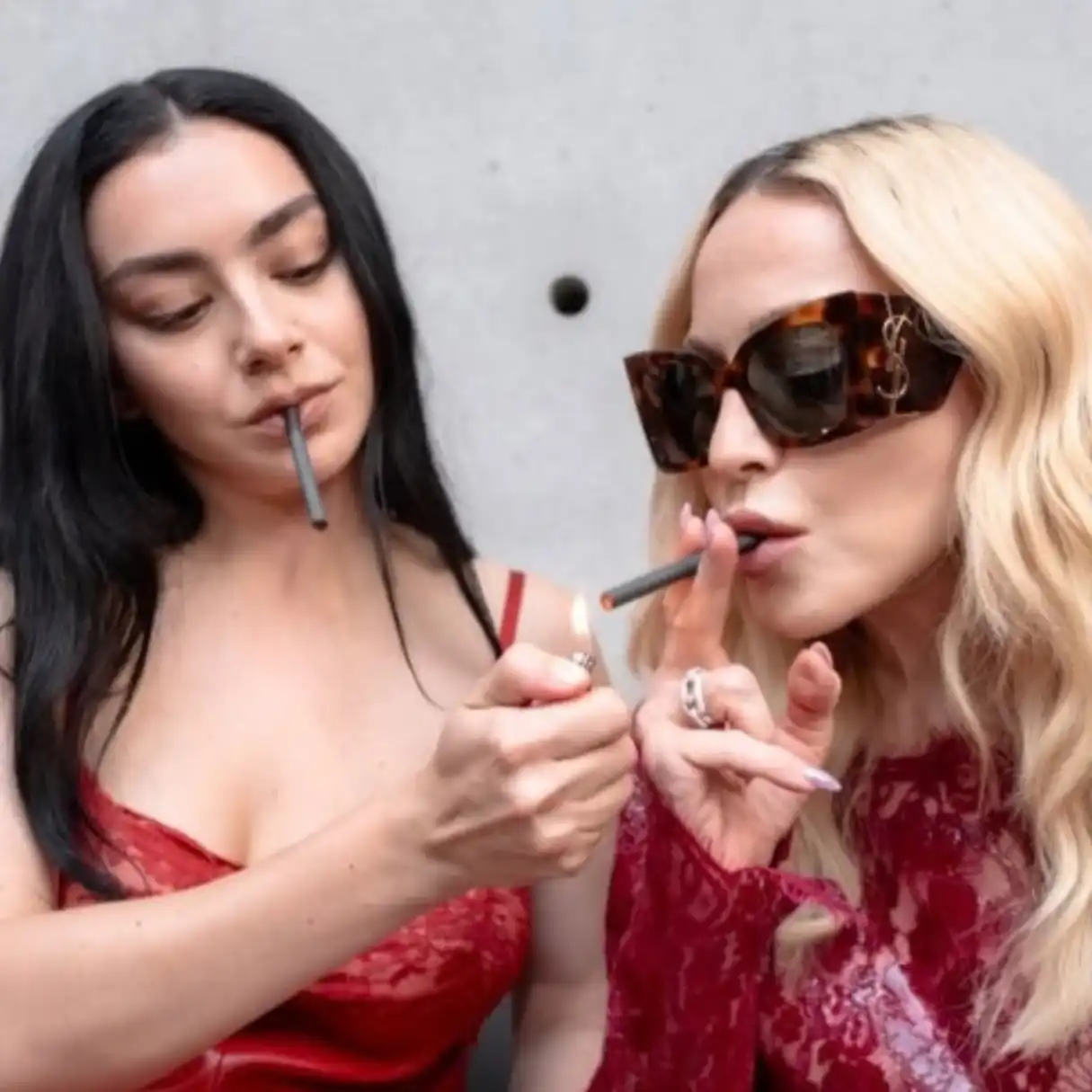
Charli XCX’s involvement did not come out of nowhere. The pair spent months trading playful, semi-public commentary about club culture, after Charli suggested in an interview that the dancefloor was dead. Madonna answered on social media, in her own words, that “if your dance floor feels dead, maybe you’re playing the wrong music.” Instead of escalating into a real feud, the two ended up throwing a joint party together called Club Confessions with Saint Laurent (opens in new tab) during Paris Fashion Week in September. Charli later described the trip warmly to SPIN (opens in new tab), saying Madonna is “so interested in really talking about the music that she makes, and how and why,” and that she found it inspiring to spend time with her.
Madonna’s connection to LGBTQ+ culture is not incidental to any of this. PinkNews noted (opens in new tab) that her return to the MTV VMA stage arrives twenty-three years after she kissed Britney Spears there in 2003, a moment that still gets replayed every awards season as one of pop’s defining queer-coded moments, and one reason her club-scene nostalgia feels different to LGBTQ+ fans than a straightforward heritage act reunion would.
Get more from Lucy Loves Me
Beauty finds, film and TV picks and the trends worth your time, every week.
No spam. Unsubscribe any time.For UK readers who don’t follow the MTV Video Music Awards closely: the VMAs are MTV’s annual American awards show, watched mostly for the live performances, more than the trophies themselves, a little like the Brit Awards but with a far bigger US television audience. Madonna opened this year’s ceremony, held on Sunday 27 September 2026 at the Peacock Theater in Los Angeles and broadcast on CBS, with her first VMA performance in twenty-three years (opens in new tab). Sabrina Carpenter joined her early in the set for “Bring Your Love” (opens in new tab), before Charli XCX made a surprise appearance for the “Danceteria Afterhours” remix itself, giving the studio version its live debut one day before this piece was published. Madonna led this year’s nominations, including nods in the video, artist and song of the year categories.
For US readers wondering why a Madonna and Charli XCX pairing feels like such a big deal in Britain specifically: Charli XCX is British, from Cambridge, and her run of Brat era singles turned her into one of the UK’s most exported pop stars of the last few years. A collaboration with Madonna, who has spent decades associated with New York and London club culture in almost equal measure, reads in Britain as two eras of the same lineage meeting in the middle, not as an American story that Britain is simply watching from a distance.
The timing lines up with something bigger than one collaboration. Pop culture in 2026 keeps returning to the physical club night as a nearly mythical format, at a moment when a large share of younger fans have never queued outside one. Charli XCX’s own recent singles, including “SS26” (opens in new tab), have leaned into that same nostalgia, referencing early 2000s fashion and club iconography for an audience discovering it secondhand through old photographs and reissued merchandise instead of lived memory. Her earlier single “Von Dutch” (opens in new tab) did something similar with Y2K fashion specifically. “Danceteria Afterhours” gives that longing an origin story with names, dates and a real address attached to it, which is rarer than it sounds in pop right now.
None of this requires a listener to know who Mark Kamins was, or to have ever set foot in a club that closed decades ago. The song works as a straightforward, well produced dance track on its own. But knowing that the story underneath it is true, that one DJ at one club changed the course of one of the most famous pop careers in history, adds a layer that a generic “we love the dancefloor” collaboration would not have earned.
What is left, a few weeks on, is two artists from very different pop eras agreeing (opens in new tab), loudly and in public, that the club is worth defending, and then proving it by performing the song together on live television the day before this was written. Whether that reads as a genuine friendship or a well-timed piece of promotion probably depends on how the next few months of interviews go.
Read next
An autumn walk playlist: 25 songs for crunchy leaves and cold hands
Diamonds and Rust: Joan Baez, Bob Dylan, and the Song That Outlasted Both of Them