
This article is spoiler-free
A few weeks ago, on Halloween’s Eve, a new eight-episode horror K-drama premiered on Netflix, and it isn’t like anything I’ve watched before. Dead-End Job quickly topped Netflix’s non-English TV series chart, entering the Top 10 in 76 countries and reaching the number one spot in 22 of them (opens in new tab). On Rotten Tomatoes, it currently holds a 100% critics’ score (opens in new tab), with critic Chris Joyce describing it as “an exhilarating horror that mixes dark comedy and gruesome storytelling while giving us memorable and enjoyable characters” (opens in new tab). But what is it about this miniseries that has made it stand out from other entries in its genre and captivated audiences worldwide?
An urban dark fantasy on the streets of Seoul
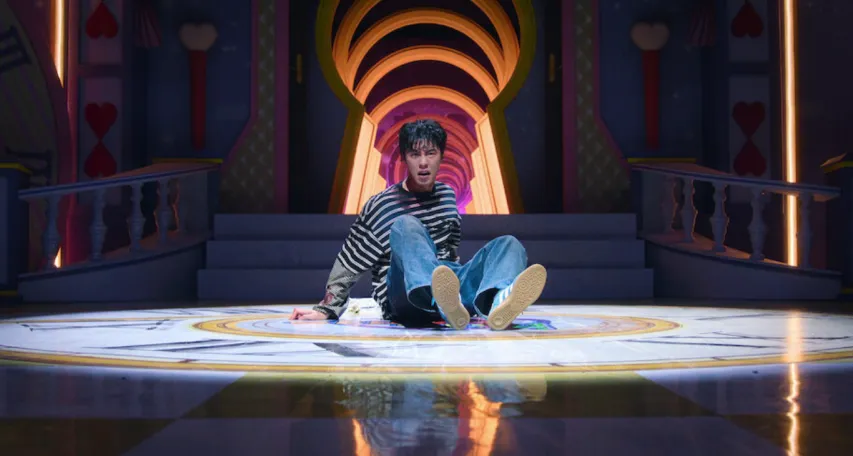
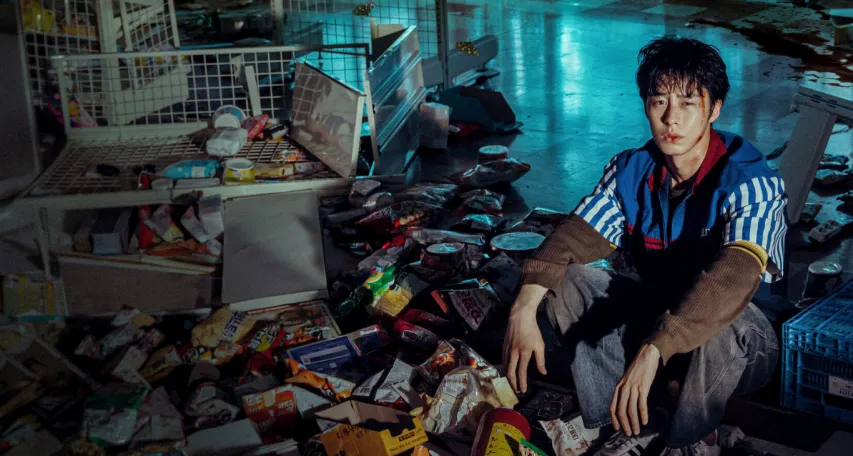
The series follows Byeon Hyeok-jun, a 30-year-old man who, desperate to make a quick buck to pay off his debts, visits Spider Staffing Agency. There, he is offered part-time jobs paying 50 times the standard rate.
So, we’ve got a shady temp agency, the promise of a lot of money for very little work, and a predatory advertisement placed strategically where desperate people burdened with debt are likely to find it. What could possibly go wrong?
As it turns out, everything. The story quickly devolves into a mind-bending carousel of horrors as each episode presents a new part-time job from hell that our protagonist and his sister must survive, while also striving to uncover the mystery behind the sketchy agency and its boss, Mr S.
Thus, Dead-End Job becomes an intoxicating mixture of dark fantasy, horror, survival thriller and workplace satire that sets it apart from other Netflix horror series.
Is it better to stay poor or to die?
The horror genre has always drawn on elements of real life that make people uneasy or frightened, offering us valuable insight into what previous generations found terrifying. Edgar Allan Poe (opens in new tab) wrote about the fear of being buried alive, which was a very real possibility before the dawn of modern medicine. Shirley Jackson (opens in new tab) wrote tales of domestic horror featuring unhinged women trapped in macabre houses, reflecting the restrictions placed on women in a society where many were expected to remain confined to the family home.
Often, the most chilling horror doesn’t stem from external paranormal forces, but from something that hits closer to home. Dead-End Job manages to do both, and that is precisely why its quirky blend of horror and satire has resonated so well with audiences worldwide.
Despite being filled with uncanny monsters and eerie liminal spaces reminiscent of Backrooms (2026), its characters and the problems they face are painfully human, rooted in the realities experienced by millions of young people around the world.
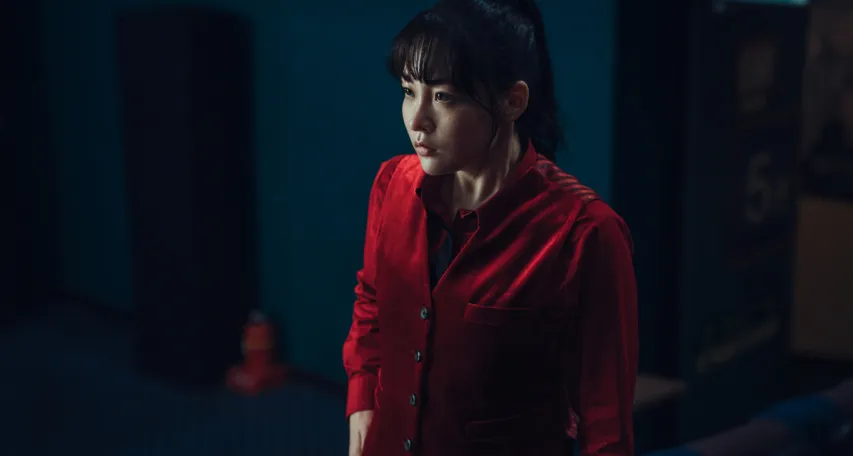
Our protagonist isn’t an innocent man randomly thrust into this macabre world by evil forces beyond his control. While he is tricked into accepting his first job, as Mr S fails to make the danger clear, he consciously chooses to return to these gigs time and time again. Initially, it’s to make money, then to investigate Spider Staffing Agency, and ultimately for a completely different reason that you’ll have to watch this amazing series to uncover.
Like an addict, he tells himself he needs to quit these jobs. He’s battered, traumatised and at his limit, yet he willingly continues to accept the jobs presented by Mr S, despite his sister’s warnings and the knowledge that he could die at any point.
And for what? Mostly, money. Not money to buy luxury items or expensive houses, but money to survive, pay off his debts and take care of his sister and ageing mother.
Get more from Lucy Loves Me
Beauty finds, film and TV picks and the trends worth your time, every week.
No spam. Unsubscribe any time.The new age of horror
Just like Squid Game (2021–2025) (opens in new tab), the true horror lies not in the survival game shown on screen, but in the knowledge that the situation didn’t have to happen at all. That people are driven to participate, fully aware of the consequences, because the alternative is a fate they consider even worse.
We can see this emerging form of horror in other recent releases, too. The Substance (2024) (opens in new tab) deals with ageism and the desperation women in the entertainment industry can feel to remain young, beautiful and relevant. Something Very Bad Is Going to Happen (2026) (opens in new tab) taps into anxiety surrounding marriage and commitment, while Carrie (2026) explores school bullying in the age of social media, school shootings, and media manipulation.
The mental health crisis at the heart of Seoul
Aside from being products of their times, horror stories are also deeply marked by the cultures in which they are created. British authors wrote of haunted Victorian mansions that brought their inhabitants to the edge of insanity. German writers explored dark forests teeming with demons, witches and doppelgängers. And now Korean storytellers are presenting us with their own version of horror: the harsh and unforgiving streets of Seoul, where people burdened by poverty and debt have to sell their souls just to make ends meet.
Before the horrors even begin, Dead-End Job starts in a strikingly frank manner, with the main character attempting to take his own life by jumping from Mapo Bridge, also known as “suicide bridge” (opens in new tab), believing it to be the only way to escape his debt and the shame brought upon his family.
Sadly, in South Korea, stories like this reflect a grim reality.
In 2021, South Korea had the highest suicide rate among OECD member states (opens in new tab). In 2025, suicide remained the leading cause of death among people aged 10 to 49 (opens in new tab), while cancer was the leading cause among those aged 50 and over. Korea is an ultra-modern country that has increasingly come to resemble a dystopia rather than an aspirational model, and I’m starting to wonder whether it has become a cautionary tale for the rest of us.
As countries across the developed world become increasingly digitalised, disconnected and focused on productivity at any cost, alongside soaring housing prices and the general cost of living, simply surviving in today’s world has become more frightening for young people than any monster or demon.
Through the character of Yeon-joo, Dead-End Job also touches upon the history of labour activism in South Korea, particularly the struggles of women workers during the 1970s (opens in new tab). Many, especially those working in the garment and textile industries, protested against exploitative and inhumane working conditions.
Made in Korea: the new obsession with K-content
Congratulations, you’ve finished watching Dead-End Job. The question now is, what are you going to watch next?
Do not fret. The Netflix algorithm has got its recommendations locked and ready – and chances are, it’s going to be another K-drama.
At a time when Hollywood and American cinema are increasingly criticised for uninspired remakes, reboots and modern reimaginings, often accompanied by cold lighting, underbaked CGI and postmodern rhetoric, the Korean entertainment industry has continued to push its films and television series onto the international market, with considerable success.
Part of the appeal of K-dramas is their ability to tap into a wide range of audience interests, whether that’s touching love stories, quirky humour, blood-curdling horror or heartbreaking tragedy.
Furthermore, Korean productions are often unafraid to showcase societal problems for audiences around the world, incorporating moral questions, social commentary and, at times, messages of encouragement for those struggling with the issues depicted.
The newly released K-drama Teach You a Lesson (2026) (opens in new tab) examines the faulty Korean education system, which fails to protect its most vulnerable students and teachers. Juvenile Justice (2022) (opens in new tab) exposes a flawed Korean justice system that lets criminals, especially juvenile ones, walk scot-free whilst blaming the victims, while Tomorrow (2022) (opens in new tab) is perhaps one of the most striking examples of this trend. It tackles the delicate subject of suicide through an episodic format, exploring the circumstances and struggles of different people, from teachers and entertainers to war veterans and former comfort women (opens in new tab).
It’s this frankness and humanity that can make K-dramas resonate with audiences worldwide. Their willingness to explore difficult societal issues can also leave viewers wanting to learn more about the country and its culture.
See you for a second season?
Overall, Dead-End Job is another successful addition to Netflix’s catalogue. Its timing couldn’t be more perfect: released just before Halloween, during a period of widespread dissatisfaction with the cost of living, it takes a risk with its quirky mix of modern horror, dark humour and thrilling action, and succeeds thanks to its honest storytelling and relatable characters.
Its open ending teases the possibility of a second season, so it is now up to Netflix to renew the series and allow us to bask in another eight episodes of dark fantasy and social critique.