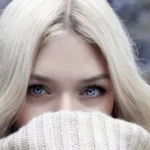

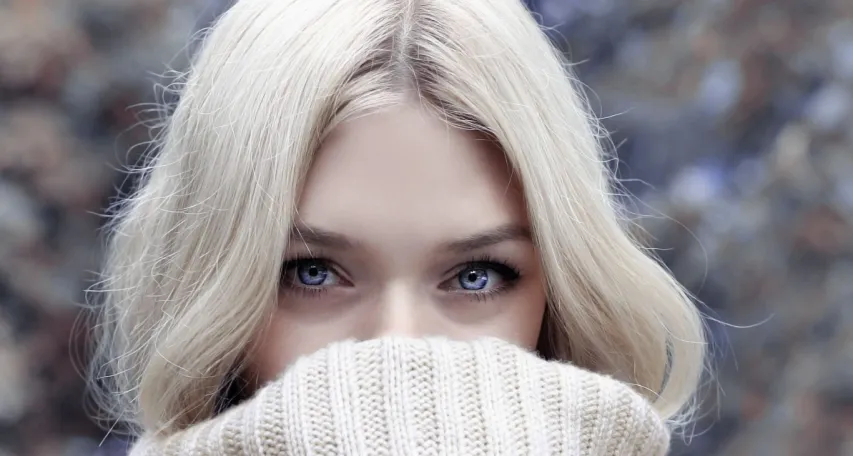
From glossy brunette to copper, cherry red and every shade of expensive-looking brown in between, hair colour trends come and go, yet blonde has an extraordinary habit of coming back time after time.
As a Blonde Specialist with more than 16 years of experience behind the chair, I’ve watched clients completely reinvent themselves through colour. I’ve seen women leave the salon standing taller, smiling differently and checking themselves out in the mirror as though they’ve rediscovered a version of themselves they had forgotten.
And that’s what fascinates me about blonde hair: it’s rarely just about the colour. For many women, going blonde is an emotional decision, closely connected to how they see themselves and their identity.
Blonde hair has carried cultural associations for decades. It can represent youthfulness, femininity, glamour, rebellion, innocence, sex appeal, softness or confidence, sometimes all at the same time.
Think of Marilyn Monroe’s iconic bombshell blonde, Madonna’s rebellious, bleached hair or Pamela Anderson’s unmistakable glowing waves. More recently, there’s Margot Robbie’s effortless Barbie blonde, which had everyone lining up at the salon doors.
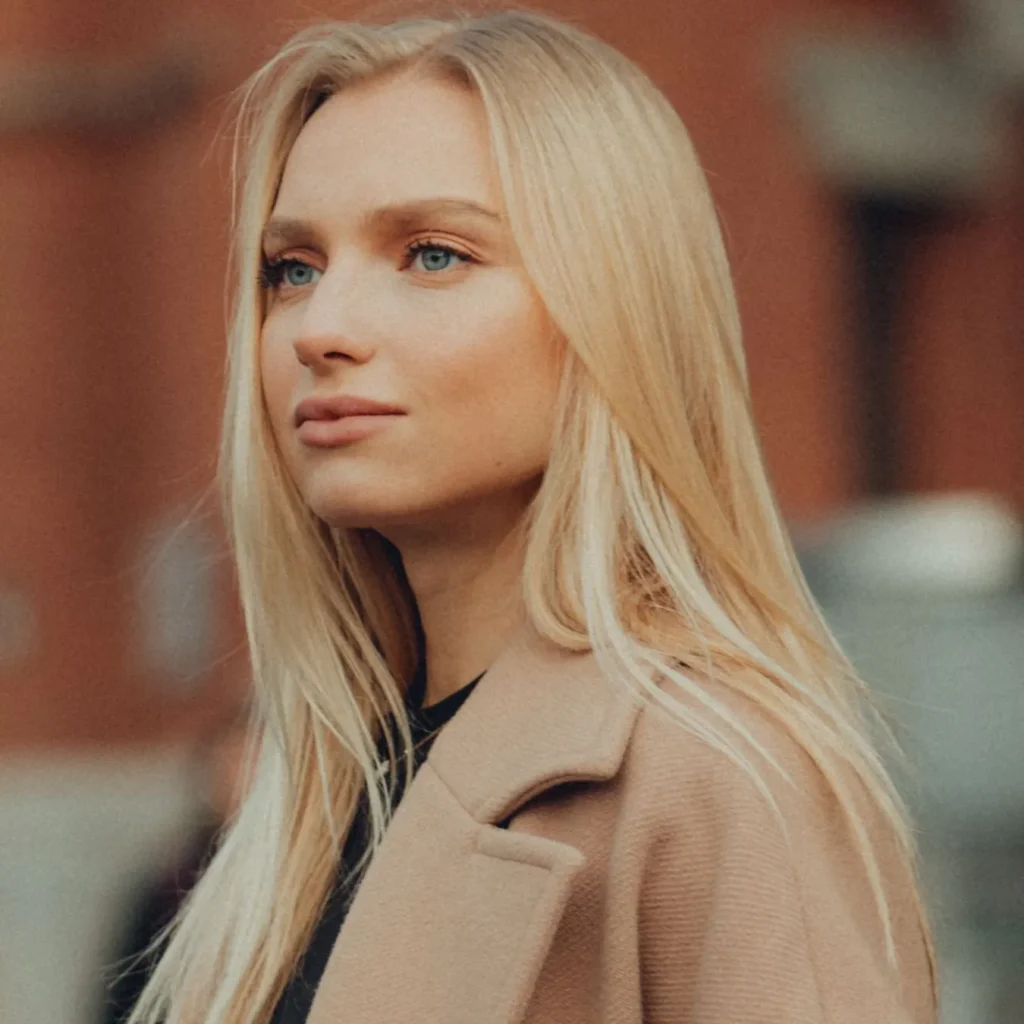
The shade changes, but the fascination doesn’t. And perhaps that’s because blonde is remarkably adaptable. A creamy beige blonde can feel sophisticated and understated. A bright platinum can feel bold and rebellious. A golden blonde can feel warm and feminine, while a lived-in balayage can look completely effortless. There isn’t one blonde identity, and for many women, blonde hair is about reinvention, gaining confidence or making a statement about who they are.
Why Blonde Has Always Had a Hold on Us
Blonde has had something of a cultural revival. The Barbie movie (2023) brought an ultra-feminine, glossy blonde back into the spotlight, celebrating pink, femininity, glamour and playfulness without apologising for any of it. While blonde can be a powerful form of self-expression, it can also offer a release for many women: a break from their serious lives and permission to be a little playful.
Then came Sabrina Carpenter, whose creamy blonde has become almost inseparable from her image, evoking the sex appeal and glamour associated with the 1990s. The traditional “blonde bombshell” image could be seen as playing to the male gaze, but today many women are embracing those same qualities because they make them feel beautiful and confident in themselves. In many ways, it feels like we’re seeing a modern revival of the energy that surrounded blonde during Pamela Anderson’s era: unapologetically feminine, glamorous, sexy and confident.
Through Instagram, TikTok and celebrity culture, we’ve seen blonde re-emerge as a symbol of femininity, glamour and sex appeal, but with an important difference. Today’s women are choosing what those qualities mean to them. That’s what makes the current blonde revival feel different from previous eras. We’re not necessarily trying to become somebody else; we’re playing with the version of ourselves we want to put into the world. And today, women have far more control over the narrative.
The Power of Being Underestimated
Here’s where things get interesting. Hair colour can influence the assumptions people make about us before we’ve even spoken.
Blonde has traditionally been associated with femininity, youthfulness, attractiveness and approachability. Those stereotypes aren’t necessarily accurate; your hair colour obviously doesn’t determine your personality or intelligence. But perceptions can still influence first impressions.
Blonde has a particularly fascinating contradiction attached to it. A blonde woman can be perceived as both desirable and underestimated.
The stereotype of the “dumb blonde” has been around for generations. It’s outdated, ridiculous and certainly doesn’t reflect the women who wear the colour, but it has proved incredibly persistent in popular culture over the decades. Yet there can be an unexpected advantage to being underestimated.
If someone assumes you’re softer, less intimidating or perhaps not quite as capable as you are, they may underestimate your negotiating skills, intelligence, determination or position. Sometimes, it’s best simply to let them.
I’ve joked with clients that there is something rather satisfying about looking soft and feminine while quietly knowing exactly what you’re doing. Pretty doesn’t mean powerless. In fact, sometimes being underestimated gives you room to surprise people. It’s incredible how powerful this colour can make women feel, especially in the workplace.
Get more from Lucy Loves Me
Beauty finds, film and TV picks and the trends worth your time, every week.
No spam. Unsubscribe any time.Proving people wrong about their assumptions can be a subtle form of pushback against the male-dominated culture many women still contend with.
Interestingly, darker hair can create a very different first impression. Brunette hair is often culturally associated with seriousness, authority, intelligence and sophistication. Blonde, meanwhile, tends to be associated with softness, femininity and approachability.
Neither is better, but they can create different expectations. In some settings, a brunette may be perceived as more serious or authoritative, while a blonde may attract attention for her femininity and appearance, sometimes seeming more approachable. These are cultural assumptions, of course, rather than rules about the women who wear either colour.
That difference can even influence how women feel in their own skin. I’ve had clients switch from blonde to brunette and tell me they suddenly feel more serious. Others go blonde and say they feel lighter, more playful or more visible.
Their personalities haven’t changed; their perception of themselves has. That can affect everything from how they dress to how they carry themselves and how confidently they walk into a room.
Finding the Blonde That Feels Like You
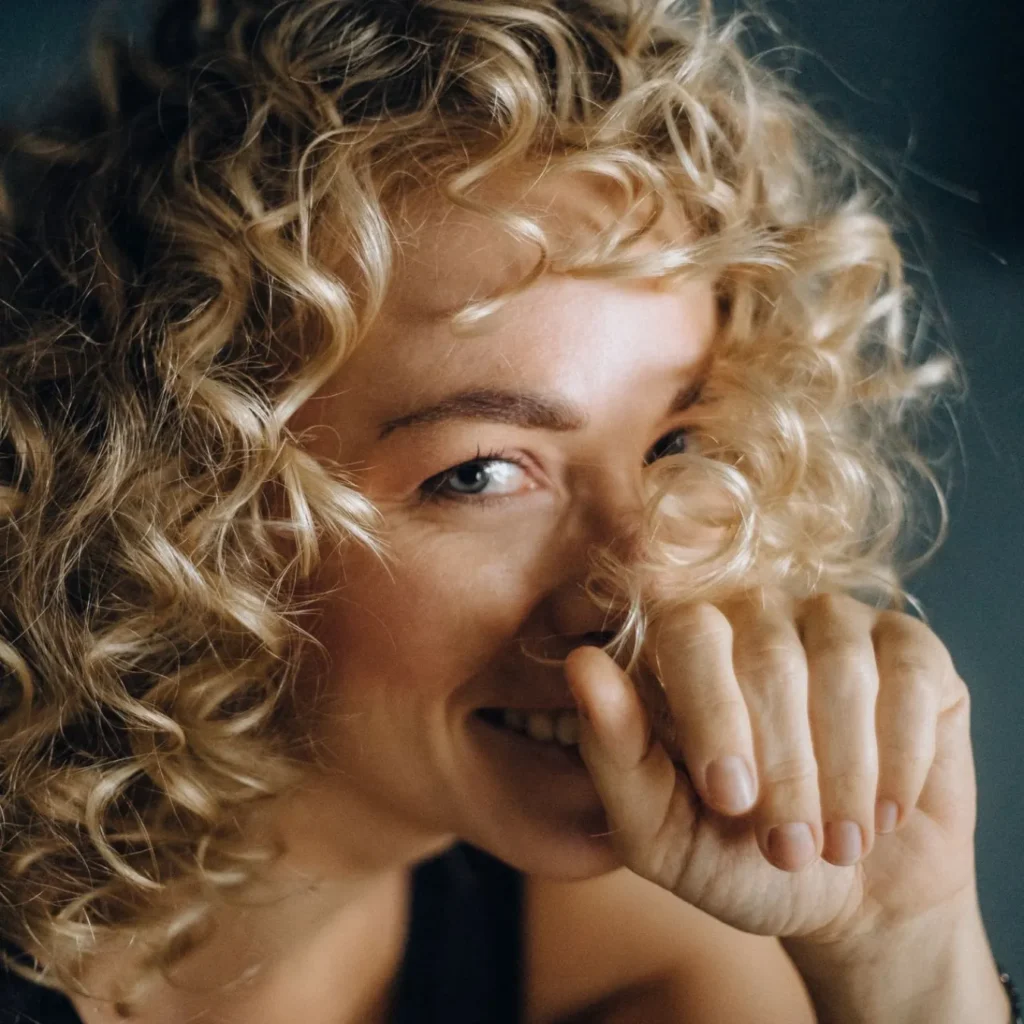
This is why I don’t think women return to blonde simply because it’s flattering or trendy. Sometimes they return because they miss feeling like themselves. I’ve had clients experiment with darker colours only to come back months later and say: “I just don’t feel like me unless I’m blonde.”
For some women, blonde represents a fresh start. For others, it’s confidence, femininity, freedom or fun. It might be the colour they had when they were younger, the colour they’ve always dreamed of having or simply the colour that makes them feel brighter when they look in the mirror.
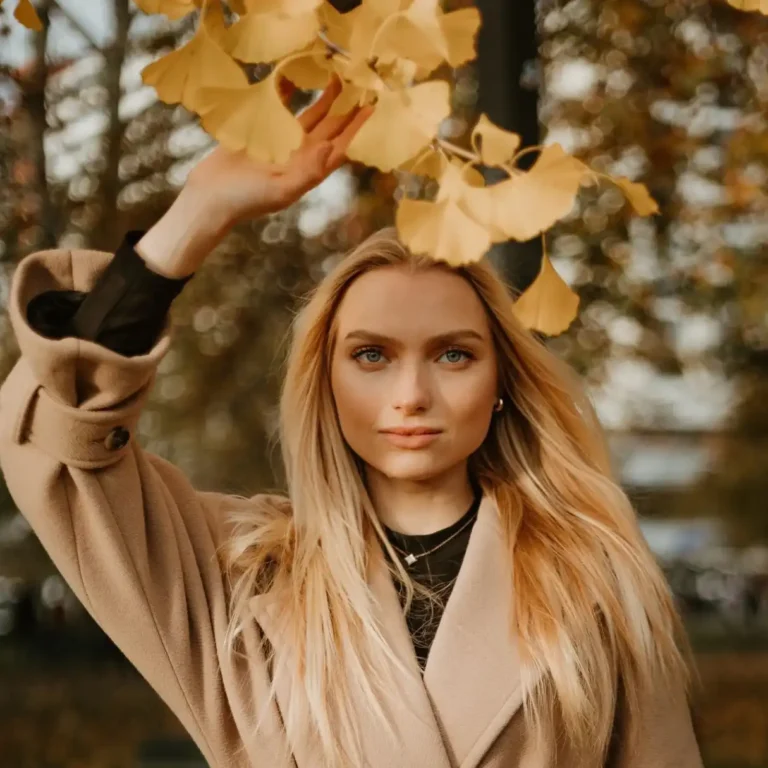
Blonde also offers so much room for personalisation. There’s buttery blonde, champagne, beige, honey, sandy, creamy, icy, golden, Scandinavian, lived-in and everything in between.
The trick isn’t finding the perfect blonde. It’s finding your blonde.
We often talk about clothes as a form of self-expression, but hair deserves the same recognition. Before you’ve spoken, your hair can communicate something about how you want to be seen. It can say:
I’m glamorous.
I’m feminine.
I’m confident.
I’m playful.
I’m changing.
I’m back.
And perhaps that’s why blonde has remained culturally fascinating for so long. It can be soft without being weak, feminine without being passive and sexy without being defined by anyone else. Even when society makes assumptions about the woman underneath it, she gets to decide what those assumptions mean.
So, Why Does Blonde Never Really Go Away?
Because trends are temporary, identity isn’t. Blonde has survived countless fashion cycles because it isn’t one single look. It can evolve just as the woman wearing it evolves.
The blonde you wanted at 22 might not be the blonde you want at 35. The icy platinum that once made you feel incredible might eventually give way to a softer champagne. A bright balayage might become a lived-in blonde. A woman who spent years colouring her hair may eventually decide she wants to blend her natural grey instead.
The colour changes as the woman changes, and blonde changes with her.
Perhaps that’s the real reason we keep coming back. Blonde isn’t simply a hair colour. It’s a way of experimenting with identity, of refreshing how we see ourselves and, sometimes, how we want the world to see us.
And if the current resurgence has taught us anything, it’s that blonde doesn’t need to be one thing. It can be sexy, sophisticated, playful, powerful and even underestimated.
But ultimately, the most interesting blonde is the one a woman chooses for herself.
About the author
Demi Butt is an internationally experienced Blonde Specialist and founder of Here Come The Blondes, a luxury one-to-one blonde hair salon based in Groby, Leicester. With more than 16 years of experience in high-end salons around the world, she specialises in creating bespoke blonde looks while maintaining the health and integrity of the hair.